Best AI Tools for Real Estate Report Generation in 2026
Real estate professionals work with large amounts of information, from property prices and rental estimates to comparable sales, market trends, investment projections, and client requirements. Turning this information into a clear, professional report can take hours when everything is prepared manually.
Artificial intelligence is changing that process. Modern AI tools can help real estate agents draft property reports, summarize market research, analyze spreadsheets, prepare investment summaries, and turn complex information into documents that clients can understand.
But which AI is best for real estate report generation? The right choice depends on whether you need a writing assistant, a research tool, a data analyst, or specialized real estate software.
What Is AI Real Estate Report Generation?
AI real estate report generation uses artificial intelligence to organize property information and transform it into structured reports. Depending on the software and data provided, these reports may cover property descriptions, market conditions, comparable properties, rental income, investment risks, and financial projections.
Common applications include:
Property market analysis reports
Comparative market analysis (CMA) drafts
Rental property investment reports
Property management summaries
Real estate investment proposals
Neighborhood research reports
Monthly performance reports for property portfolios
AI can reduce repetitive writing and analysis, but the reliability of a report still depends on the accuracy of its source data.
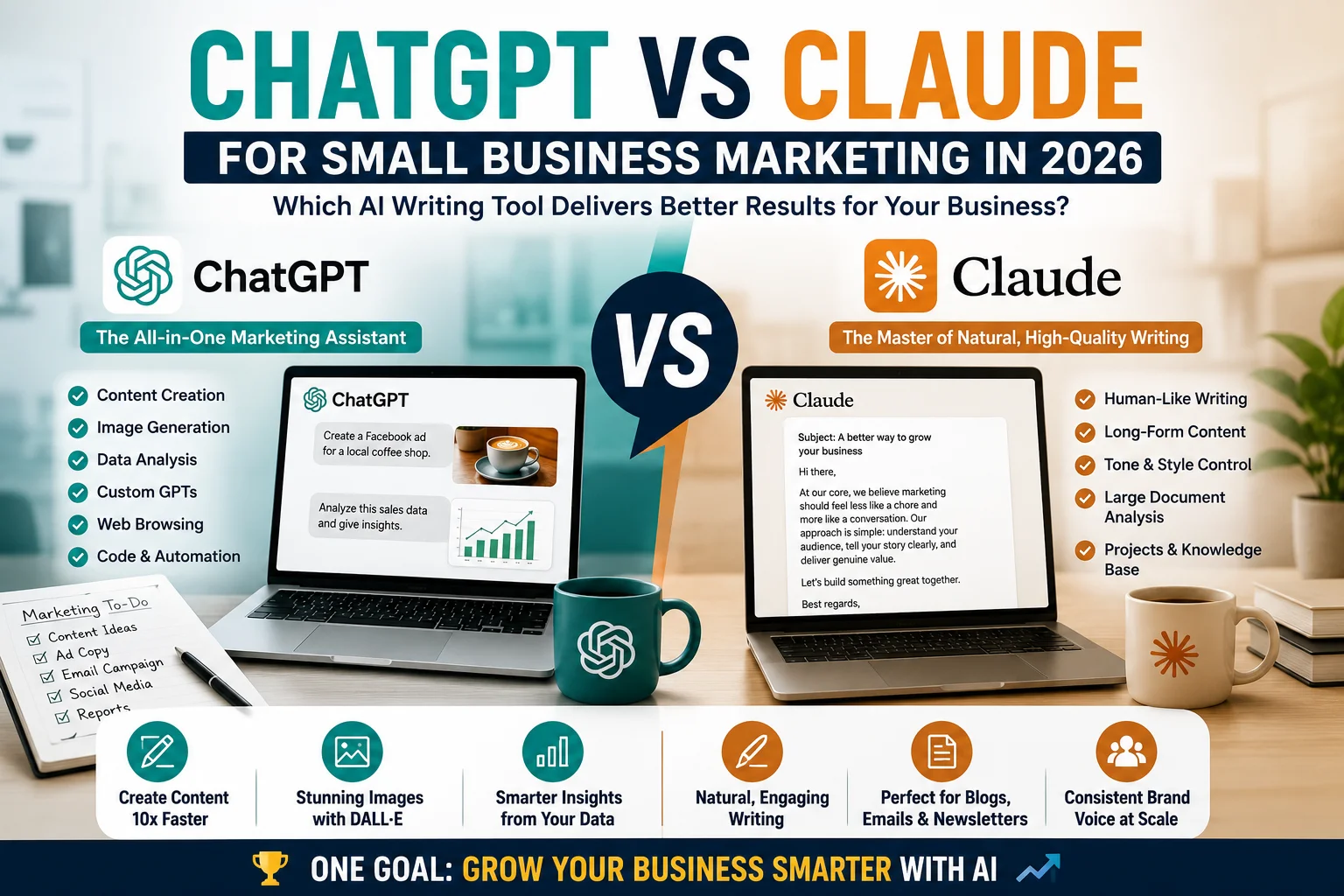
1. ChatGPT — Best for Flexible Report Writing
ChatGPT is a practical starting point for real estate professionals who want to generate customized reports from property details, spreadsheets, research notes, or existing documents.
You can provide information about a property, its location, asking price, rental income, operating expenses, and comparable properties. ChatGPT can organize those details into a professional report with headings, tables, an executive summary, and recommendations based on the supplied evidence.
Best uses:
Drafting property analysis reports
Summarizing property inspection notes
Explaining investment calculations
Creating client-ready report templates
Turning spreadsheet findings into readable summaries
Example prompt:
"Prepare a professional real estate investment report using the attached property data. Include an executive summary, purchase price, comparable properties, estimated rental income, operating expenses, projected cash flow, investment risks, and a conclusion. Separate verified data from assumptions and flag any missing information. Do not invent market statistics."
Main limitation: ChatGPT cannot independently guarantee that property valuations, comparable sales, or rental estimates are accurate. Verify market-specific figures before sharing the report with clients.
2. Claude — Best for Detailed Reports and Long Documents
Claude is another general-purpose AI assistant worth considering when a report requires careful writing, document analysis, and a consistent professional tone.
It can help summarize lengthy property documents, organize research into sections, and produce detailed investment memorandums from the information supplied. This can be particularly useful for analysts who work with multiple documents or lengthy property portfolios.
Best uses:
Long-form investment reports
Summaries of property documentation
Property portfolio reviews
Due diligence summaries
Editing lengthy reports for clarity
Main limitation: Claude's output depends on the supplied information and the capabilities of the plan being used. It should not be treated as an independent property valuation service.
3. Perplexity — Best for Research-Supported Reports
Real estate reports often need supporting sources, not just well-written paragraphs. Perplexity can help research publicly available information and provide linked sources that analysts can investigate.
For example, an agent preparing a neighborhood report might research local development projects, publicly reported housing trends, transport improvements, and other factors relevant to a property's location.
Best uses:
Preliminary neighborhood research
Finding sources for market reports
Researching local development and economic trends
Gathering background information for investment reports
Main limitation: Search results may not include complete or current property transaction data. Check the publication dates, original sources, geographic coverage, and methodology of every important statistic.
4. Microsoft Copilot — Best for Excel and Office-Based Reports
Microsoft Copilot may be a good fit for real estate professionals who already prepare reports in Excel, Word, and other Microsoft 365 applications.
Depending on the subscription and available features, it can help summarize spreadsheets, explain trends, draft report sections, and prepare presentations based on business data.
Best uses:
Monthly property performance reports
Rental income and expense summaries
Portfolio reporting
Spreadsheet analysis
Presentations for investors and management teams
Main limitation: Results depend on the connected applications, permissions, subscription, and quality of the underlying data. Review calculations rather than relying on AI-generated explanations alone.
5. Specialized Real Estate Analysis Tools — Best for Property Data
General AI assistants are useful for writing, but specialized real estate platforms may be better when you need property-specific datasets, valuation estimates, comparable sales, rental analysis, or investment calculations.
Examples include:
RentCast: Useful for rental estimates, rental comparables, and property data in supported US markets.
HouseCanary: Offers property valuation, forecasting, and analytics capabilities for real estate professionals.
DealCheck: Helps investors analyze rental properties, flips, and other real estate investments.
Mashvisor: Provides rental-property and investment analysis features for supported markets.
PropertyIQ: Focuses on housing market analysis and market-level data.
Features, market coverage, and pricing vary by provider. Confirm current availability and data coverage before choosing a platform.
These tools may supply the numerical analysis, while a general-purpose AI assistant can help explain the findings and prepare a readable report. Always confirm that the specialized tool's data and calculations fit your intended use.
Comparison of the Best AI Options
| AI tool | Best use | Ideal user |
|---|---|---|
| ChatGPT | Custom report drafting and analysis | Agents, managers, and investors |
| Claude | Long reports and document summaries | Analysts and investment teams |
| Perplexity | Research with source links | Market researchers |
| Microsoft Copilot | Excel and Office-based reporting | Teams using Microsoft 365 |
| RentCast | Rental estimates and comparable data | US rental investors |
| HouseCanary | Property valuation and analytics | Professional real estate teams |
| DealCheck | Investment calculations | Rental investors and property flippers |
| Mashvisor | Rental-property analysis | Short-term and long-term rental investors |
| PropertyIQ | Housing market research | Market analysts and investors |
No single tool is best for every type of real estate report. General AI assistants focus on writing and reasoning, whereas specialized platforms focus on property information and analysis.
How to Choose the Right AI for Real Estate Reporting
Before paying for a tool, identify the kind of report you produce most often.
For property descriptions and client summaries: Start with ChatGPT or Claude.
For market research with sources: Consider Perplexity alongside reliable local property data.
For reports based on Excel spreadsheets: Evaluate Microsoft Copilot or another data-analysis tool that fits your existing workflow.
For rental estimates and property investment analysis: Explore specialized platforms such as RentCast or DealCheck.
For valuation and portfolio analysis: Consider professional property analytics providers such as HouseCanary, subject to their data coverage and pricing.
Test shortlisted tools using the same sample property and the same verified data. Compare numerical accuracy, source transparency, report quality, time saved, and total cost.
A Simple Workflow for Generating a Real Estate Report With AI
You can create a repeatable reporting process without relying on AI for every task.
Collect the data: Gather the property address, size, condition, asking price, rental details, operating costs, and relevant comparable properties.
Verify the source material: Check dates, measurements, property records, comparable sales, and rental figures.
Analyze the numbers: Use a spreadsheet or appropriate real estate analysis software for calculations.
Generate the report: Give the verified information to an AI assistant and request a structured document.
Review the findings: Check calculations, assumptions, unsupported claims, and missing information.
Prepare the final document: Add your branding, report date, source notes, charts, and relevant disclosures.
This workflow separates numerical analysis from report writing, making it easier to identify errors before a report reaches a client or investor.
Important Risks to Consider
AI-generated reports can sound authoritative even when the underlying information is incomplete or incorrect. Property professionals should verify all important claims and clearly identify assumptions.
Pay particular attention to:
Automated property valuations that differ from recent comparable sales
Rental estimates that do not reflect local conditions
Incorrect mortgage, cash flow, yield, or return calculations
Outdated market statistics
Missing maintenance costs, taxes, insurance, or vacancy assumptions
Confidential client information uploaded to third-party services
AI-generated content should support professional judgment rather than replace appropriate valuation, legal, financial, or investment advice. Follow applicable privacy requirements and local real estate regulations.
Frequently Asked Questions
What is the best AI for real estate report generation?
ChatGPT is a versatile starting point for custom report writing. Claude is another option for lengthy documents, while Perplexity can help with source-supported research. For property-specific numbers, a specialized real estate analysis platform may be more appropriate.
Can AI generate a real estate investment report?
Yes. AI can organize property information into an investment report containing purchase costs, rental income, operating expenses, cash flow, assumptions, and risks. The financial figures must be calculated or verified using reliable data.
Can AI create a comparative market analysis report?
AI can help draft and organize a comparative market analysis using verified comparable-property data. However, the selection and adjustment of comparable properties, local market knowledge, and final pricing judgment remain important.
Are there free AI tools for real estate reporting?
Some general-purpose AI services and specialized platforms offer free access or limited free features. Availability and usage limits change, so review each provider's current plan before relying on it for regular business reporting.
Is AI-generated real estate data accurate?
Accuracy varies by tool, data source, location, and task. AI-generated writing is not proof that an estimated property value or rental figure is correct. Verify important numbers against reliable local records and appropriate professional sources.
Final Recommendation
For many real estate professionals, a practical starting combination is ChatGPT for report writing, Perplexity for research, and a specialized real estate platform for property data and calculations. Microsoft Copilot may be a better fit for teams whose reporting already takes place in Excel and Word.
Choose the tools that match your reporting needs, verify the underlying figures, and use AI to make your reports clearer, faster to prepare, and easier for clients to understand.